
Nutrition8 min read
What to eat during your GLP-1 treatment (and what to avoid)
A balanced plate with less appetite: a practical guide to foods, Latin flavors included, to maximize results and minimize digestive discomfort.
Key takeaways
- With less appetite, every bite counts: prioritize protein, vegetables, fiber, and water.
- Greasy, fried, and ultra-processed foods are the main triggers of nausea during treatment.
- There's no “official” GLP-1 diet: the best one is the one you can sustain, adapted to your culture and tastes.
- Eating slowly and in small portions is as important as what you put on the plate.
The ideal plate on a GLP-1
Your appetite will be smaller, so the goal is nutritional density: more nutrients per bite. A simple formula for each meal:
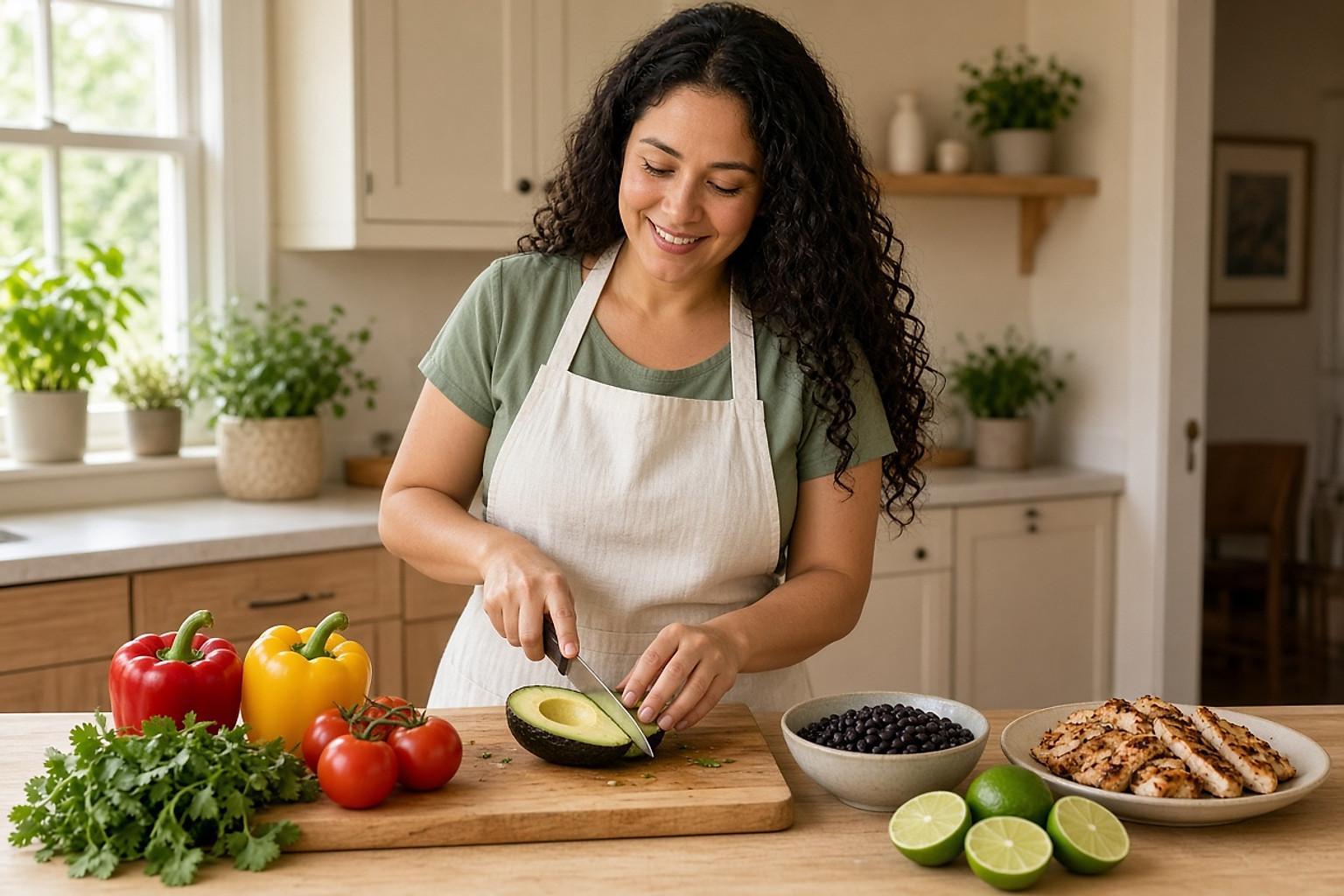
- ½ the plate: vegetables and greens (fiber, vitamins, volume that satisfies).
- ¼ the plate: lean protein (chicken, fish, lean beef, eggs, beans, tofu).
- ¼ the plate: complex carbs (brown rice, corn tortilla, sweet potato, quinoa, baked plantain).
- Good fats in small amounts: avocado, olive oil, nuts.
Yes, you can keep eating Latin food
Losing weight doesn't mean giving up your cuisine. It's about adjusting preparations and portions, not erasing your culture from the plate:
- Beans, lentils, and chickpeas: protein plus fiber, some of the best things you can eat. Prefer them stewed rather than refried with lard.
- Tortillas: choose corn over flour and limit to 1-2 per meal; the taco becomes a main dish with more protein inside.
- Broths and soups: chicken broth, beef and vegetable soup, or a lightened sancocho are filling and easy to digest.
- Ceviche, grilled fish, chicken in green sauce: traditional dishes naturally high in protein.
- Rice: reduce the portion to ½ cup cooked and make up for it with more beans and vegetables.
What to avoid (especially when increasing the dose)
- Fried and very greasy foods: they're the number one trigger of nausea with slow gastric emptying.
- Large portions: even if the dish is healthy, excess volume causes heaviness and reflux.
- Sugary drinks and juices: liquid calories that don't satisfy and spike glucose.
- Excess alcohol: intensifies nausea and adds empty calories.
- Eating in a rush or distracted: the fullness signal takes ~20 minutes to arrive; give it time.
Practical rule
On injection day and the day after, choose soft, simple meals: broths, rice with shredded chicken, plantain, yogurt, oats. It reduces the chance of discomfort while your body processes the dose.
Hydration: the most underrated habit
With less food comes less water “hidden” in your meals, and dehydration explains much of the headaches, fatigue, and constipation during treatment. Aim for 2-3 liters a day. Plain water, sparkling water with lemon, or unsweetened aguas frescas count; coffee and tea add up too, in moderation.
Do I need supplements?
Not automatically, but there are three your provider might suggest based on your case: a multivitamin (if your total intake is very low), psyllium-type fiber (for constipation), and protein powder (to reach your goal on low-appetite days). Consult before adding any supplement, especially if you take other medications.
Frequently asked questions
It's not mandatory. The GLP-1 reduces appetite naturally, and for many that's enough if the plate is well built. Counting for 2-3 weeks at the start can be educational, but it shouldn't become an obsession.
Some people combine it without a problem, but it's not necessary and can make it harder to reach your protein goal. If you're interested, discuss it with your provider to adapt it to your plan.
Eating nothing isn't the goal: your body needs protein and micronutrients to function and preserve muscle. On minimal-appetite days, turn to liquid or soft versions: protein smoothies, Greek yogurt, chicken broths.
References
Ready to take the first step?
Complete your medical evaluation in under 3 minutes. A licensed provider reviews your eligibility.
This content is for informational purposes only and is not a substitute for professional medical advice, diagnosis, or treatment. Always consult your healthcare provider with any questions about a medical condition.
Related articles
Nutrition7 min read
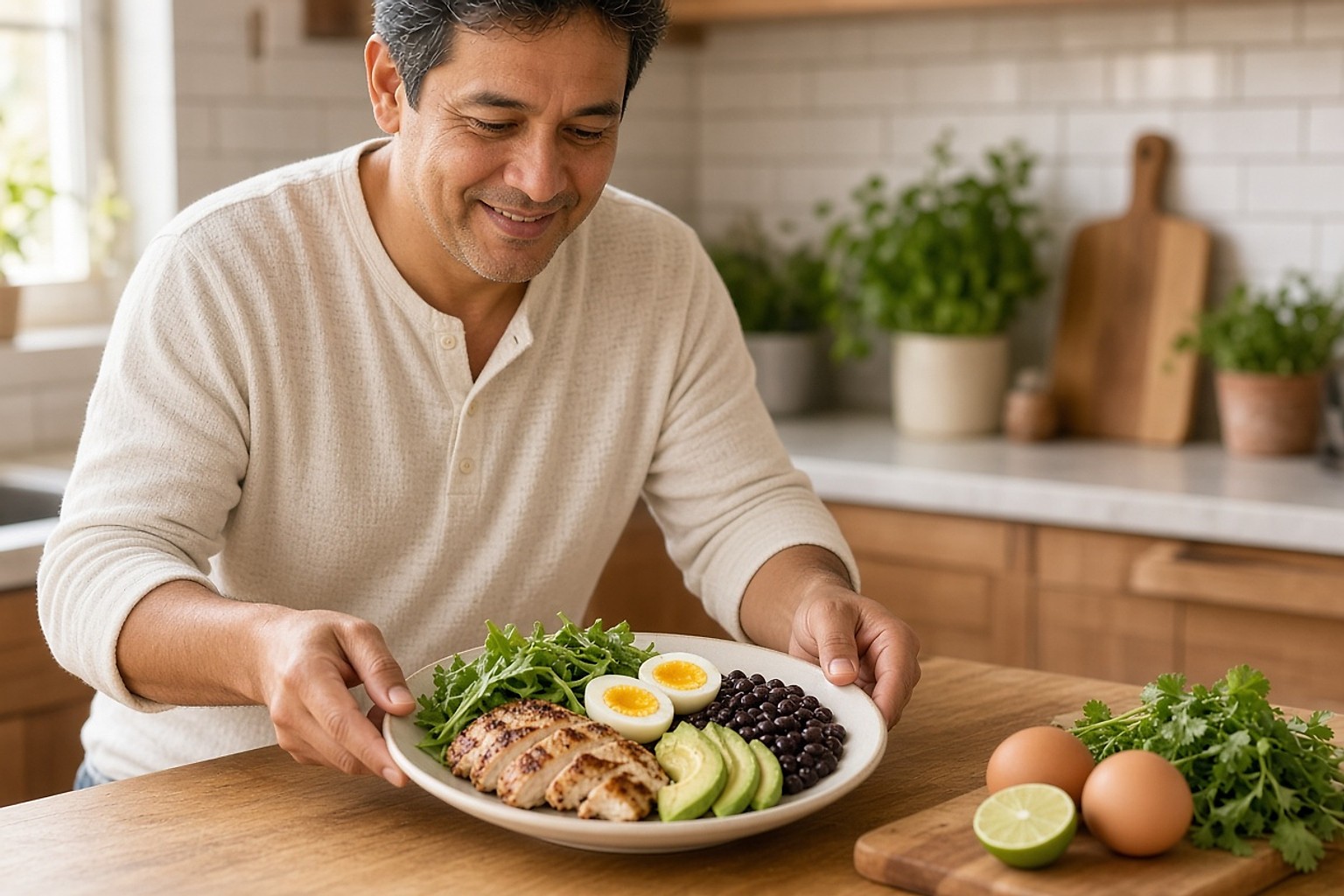
Protein first: how to protect your muscle while losing weight
Weight Loss9 min read
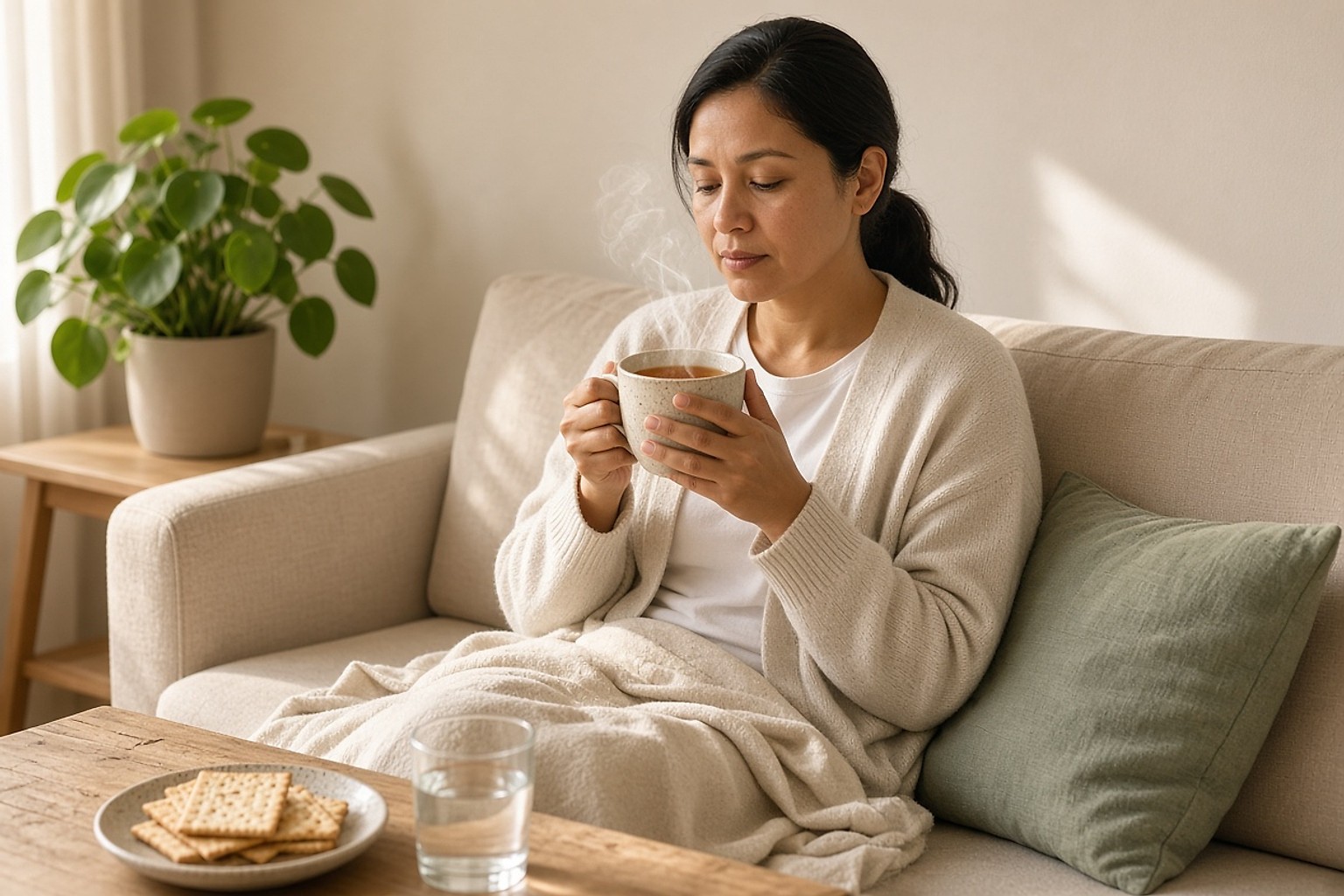
GLP-1 side effects: what to expect and how to manage them

Weight Loss7 min read
How much weight can I lose on a GLP-1? What the studies say