
Nutrition5 min read
Hydration and electrolytes: the habit that powers your treatment
Headache, fatigue, and constipation during a GLP-1 almost always share one cause: not enough water. How much you need and when electrolytes help.
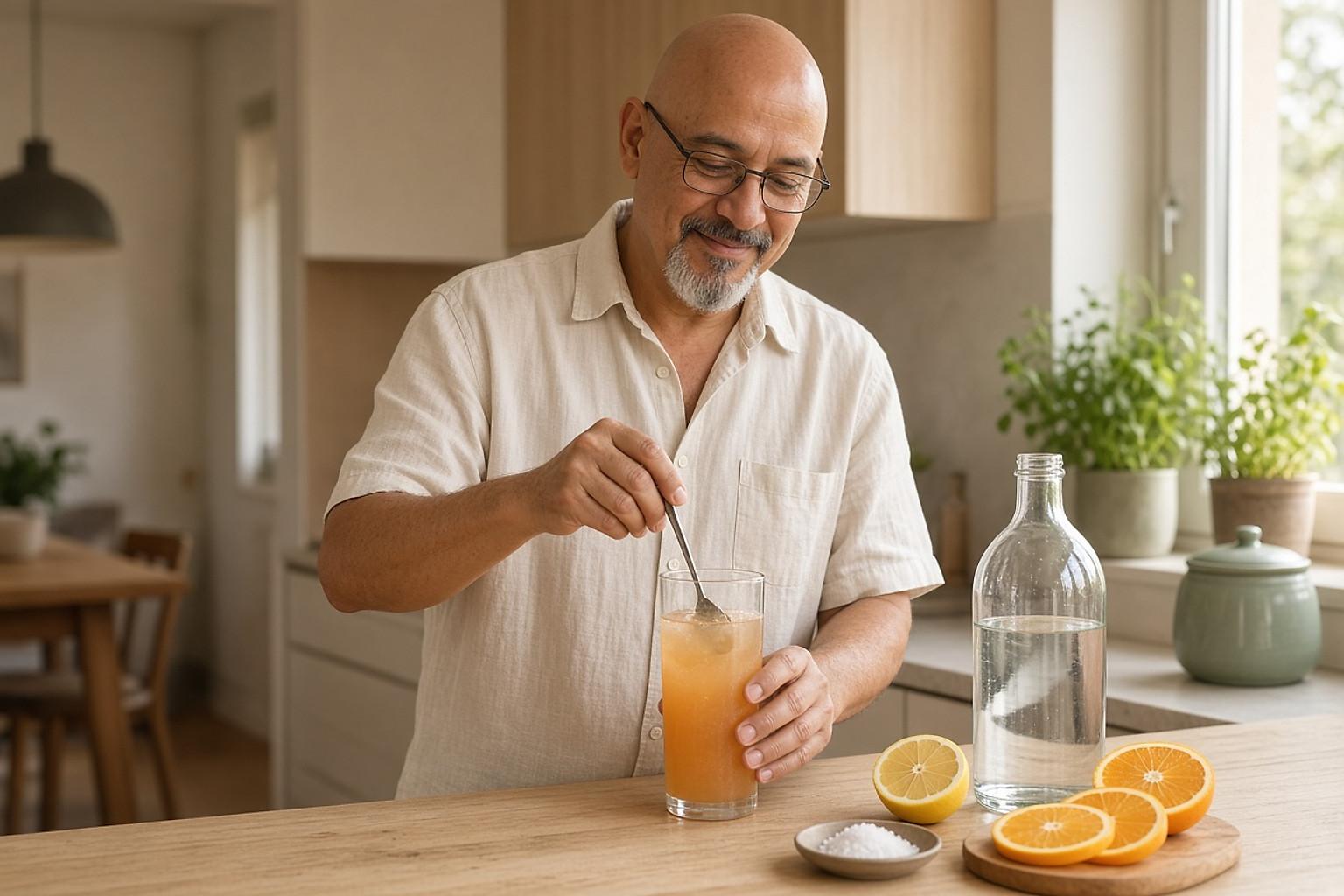
Key takeaways
- With less food comes less “hidden” water: during a GLP-1 you need to drink more deliberately.
- Practical goal: 2-3 liters a day; pale yellow urine is your best indicator.
- Electrolytes (sodium, potassium, magnesium) matter if you eat very little, sweat a lot, or have episodes of diarrhea.
- Mild dehydration explains much of the headaches and fatigue of the first weeks.
Why you need more water during treatment
Up to 20% of daily water normally comes from food: fruits, vegetables, soups, stews. Eating less on the GLP-1, that source shrinks without you noticing. Add effects like occasional diarrhea or reduced thirst perception, and the result is chronic mild dehydration disguised as a “side effect”: headache, tiredness, dizziness when standing up, and constipation.
How much water is enough?
- General reference: 2-3 liters a day (about 8-12 cups), more if you exercise or it's hot.
- The best indicator isn't the number but your urine: pale yellow = well hydrated; dark = drink more.
- These count: plain or sparkling water, unsweetened aguas frescas, tea and infusions; coffee counts in moderation.
- These don't count the same: sodas and juices — they hydrate but add sugar and liquid calories.
Consistency trick
A visible 1-liter bottle on your desk, refilled two or three times a day, beats any app. Water you see is water you drink.
Electrolytes: when they come into play
Sodium, potassium, and magnesium regulate fluid balance and muscle and nerve function. With very reduced eating, heavy sweating, or diarrhea episodes, you can lose more than you replace, and water alone isn't enough.
- Signs they may be low: cramps, dizziness when standing, unusual fatigue, persistent headache despite drinking water.
- Food sources: banana and avocado (potassium), nuts and seeds (magnesium), broths (sodium).
- Sugar-free electrolyte supplements are useful on hard days; check with your provider if you'll use them daily or if you have high blood pressure or kidney problems.
A simple routine that works
- On waking: a large glass of water before coffee.
- With every meal: a full glass.
- Injection day and the next: add a sugar-free electrolyte or a broth.
- Before bed check your bottle: if you didn't hit your goal, you know what to adjust tomorrow.
Frequently asked questions
It's rare, but possible. Drinking extreme amounts in a short time dilutes sodium (hyponatremia). Spread your intake across the day and be guided by thirst and urine color; 2-3 liter ranges are safe for the vast majority.
Classic sports drinks usually carry a lot of sugar. Look for sugar-free versions or electrolyte packets; for everyday needs, water plus a diet with fruits and vegetables covers it.
It helps indirectly: a glass before meals increases satiety, and being well hydrated prevents confusing thirst with hunger. But its main role during treatment is preventing side effects.
References
Ready to take the first step?
Complete your medical evaluation in under 3 minutes. A licensed provider reviews your eligibility.
This content is for informational purposes only and is not a substitute for professional medical advice, diagnosis, or treatment. Always consult your healthcare provider with any questions about a medical condition.
Related articles
Nutrition8 min read
What to eat during your GLP-1 treatment (and what to avoid)
Weight Loss9 min read
GLP-1 side effects: what to expect and how to manage them
Tirzepatide7 min read
Tirzepatide side effects: what to expect and how to manage them